Pacific Bleeding Heart

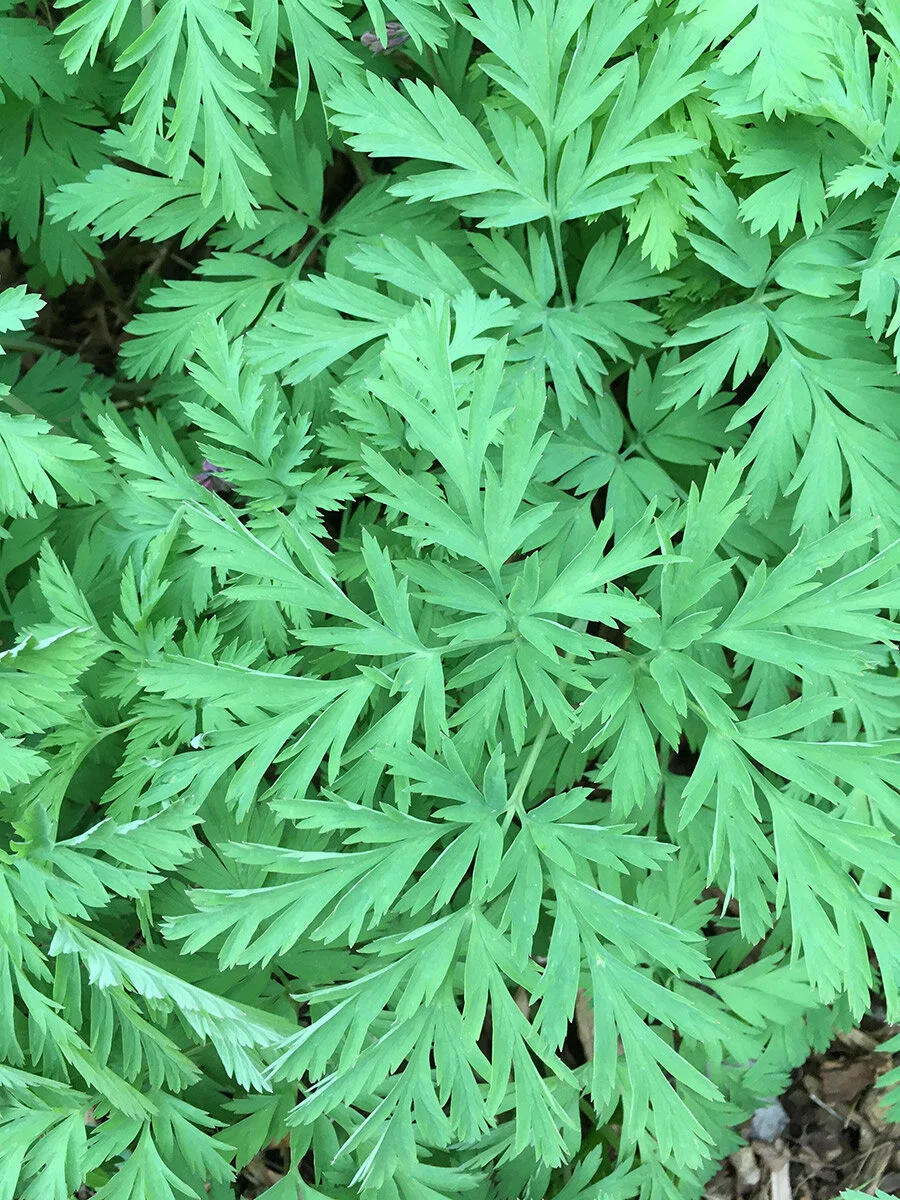
Bleeding hearts spread through rhizomes and form small patches as they become established. The leaves are compound and have leaf margins that appear irregularly and sharply indented (incised). The flowers are a pink hue shaped like an elongate heart made of two fused petals, hiding a smaller pair of fused petals inside. I read that hummingbirds are attracted to them. I have been checking on small patches of bleeding heart to see if I can watch hummingbirds getting the nectar.

Bleeding heart like to live in moist forests or along river banks. Look for them out in the wetlands area at the arboretum.

Dicentra means two-spurred which refers to the two small spurs on the outer two petals. Formosa means beautiful.

Pacific Bleeding Heart (Dicentra formosa)

Beetle

I saw this beetle yesterday and thought of this poem by Pablo Neruda.

Beetle

I went to the beetle
with my question about life:
the rites of his autumn,
his linear armor.

I hunted him down in the lost lakes
of the black south of my country.
I found him in the volcano’s
malevolent ash,
or followed the fall of his roots
into innermost darkness.

How did you work those hard things?
Your zinc eyes and your necktie?
Your cast-iron trousers?
Your contradictory scissors?
Your gold ridges, the tongs of your claws?
What resins could ripen
the incandescence of your kind?

For myself I ask only
a scarab’s heart
to push past the densities
and sign my name’s secret
in the death of the wood.
(Who knows? My name might take on
new life, turn to the light
new channels in midnight,
come out at the opposite end of the tunnel
with the other wings waiting their turn?)

What is prettier than you,
beetle, inscrutably mute,
priest of the roots,
rhinoceros of dew,
I said. He said nothing.

I asked. He said nothing.

There’s a beetle for you.

— Pablo Neruda

(Translated by Ben Belitt)

Bracken Fern Sprouting

Raising its periscopic appendage to the world above, another subterranean creature emerges from a long, winter’s nap. Its furry antenna unfolds to behold the wonder of spring.

Sprouting from spreading rhizomes, these solitary fronds can grow from 24 to 80 inches in a season. They are deciduous and often form a mat when they die off in the winter. A rabbit lived near this small forest of ferns last year, and would often use it for cover when someone walked by on the path.

The diversity of life is undeniably true — I experience it with all my senses, and yet, at the same time it all seems unbelievable.

Western Sword Fern Sprouting

Sword fern sprouts are emerging as if from an underground creature that is sending forth a proboscis to investigate the world above.

Violet-green Swallows Return

They have been in the sky circling around the vicinty of the White Oak Pavilion for the past week or so. Yesterday I watched them trying to claim and defend the boxes and other nesting cavities. They were chasing each other and making twittering sounds as they wove invisible, swooping tapestries through the air. Occasionally two would have a tussling embrace that would flutter to the ground where they would release each other. This all seemed pretty harmless as they worked it out between them who was going to nest where.

Their migration pattern according to the website All About Birds: “Medium to long-distance migrant. Most individuals migrate to Mexico and Central America during the nonbreeding season, heading as far south as Costa Rica. Some individuals spend winters in California’s Imperial Valley, the lower Colorado River Valley, and coastal California.”

Bigleaf Maple Blooming

Bigleaf maple has small yellow-green flowers in clusters that will hang like pendants as they emerge. These flowers are a great nectar and pollen source for insects. As I took these photos, the blossoms were buzzing with activity. I’m sure this sugary food source is fueling the whirring, murmuring “hum” of hummingbirds as well.

Beekeepers in the area are always happy to see good weather accompany the bigleaf maple bloom, because of the nectar-flow these flowers provide in early spring. Occasionally I will see honey made from this nectar for sale. I think it has a peach flavor which I find quite tasty.

Bigleaf Maple Flowers (Acer Macrophyllum)

Hoary Bat

Hanging upside down in a Douglas-fir tree, this little creature looks like a cone or a clump of moss at first glance. The fir on its back and tail membrane is tipped with white which gives its coat a frosted appearance. Usually hanging from one foot, it wraps its tail membrane around its body like a cozy blanket. They primarily roost in trees where the canopy is denser where I imagine it keeps them protected from the weather and from predators. Perhaps this one picked this spot in the sun to help keep warm on these cool spring days. Like many animals they are migratory. Obviously moving throughout the continent seeking hospitable geographical regions as the seasons change. So here it is at Mt Pisgah which provides habitat for its needs of shelter, food, etc. Welcome my furry, little friend. May your time here be happy and peaceful. Stay as long as you like, and I hope to see you around.

Cool fact:
A subspecies, the Hawaiian Hoary Bat (Lasiurus cinereus semotus) is the only terrestrial mammal native to Hawaii.

Hoary Bat (Lasiurus cinerus)

Coastal Wood Fern

The fronds of the coastal wood fern are uncoiling as they emerge from underneath the leaf litter. How and when does this button of wrapped vegetation form? It is so fascinating to visualize this frond slowly forming this tight spiral throughout the winter. Then at some cosmic moment, it decides to awaken and open up to spring.

I imagine that inside its balled up fist it is holding the dreams of ancient cultures - living in harmony with all life on earth. As it gently unfurls and releases its beauty, I am called to remember to be a caretaker of nature to protect it for now and future generations.

Coastal Wood Fern (Dryopteris arguta)

Coastal Wood Fern (Dryopteris arguta)

Pink Fawn Lily

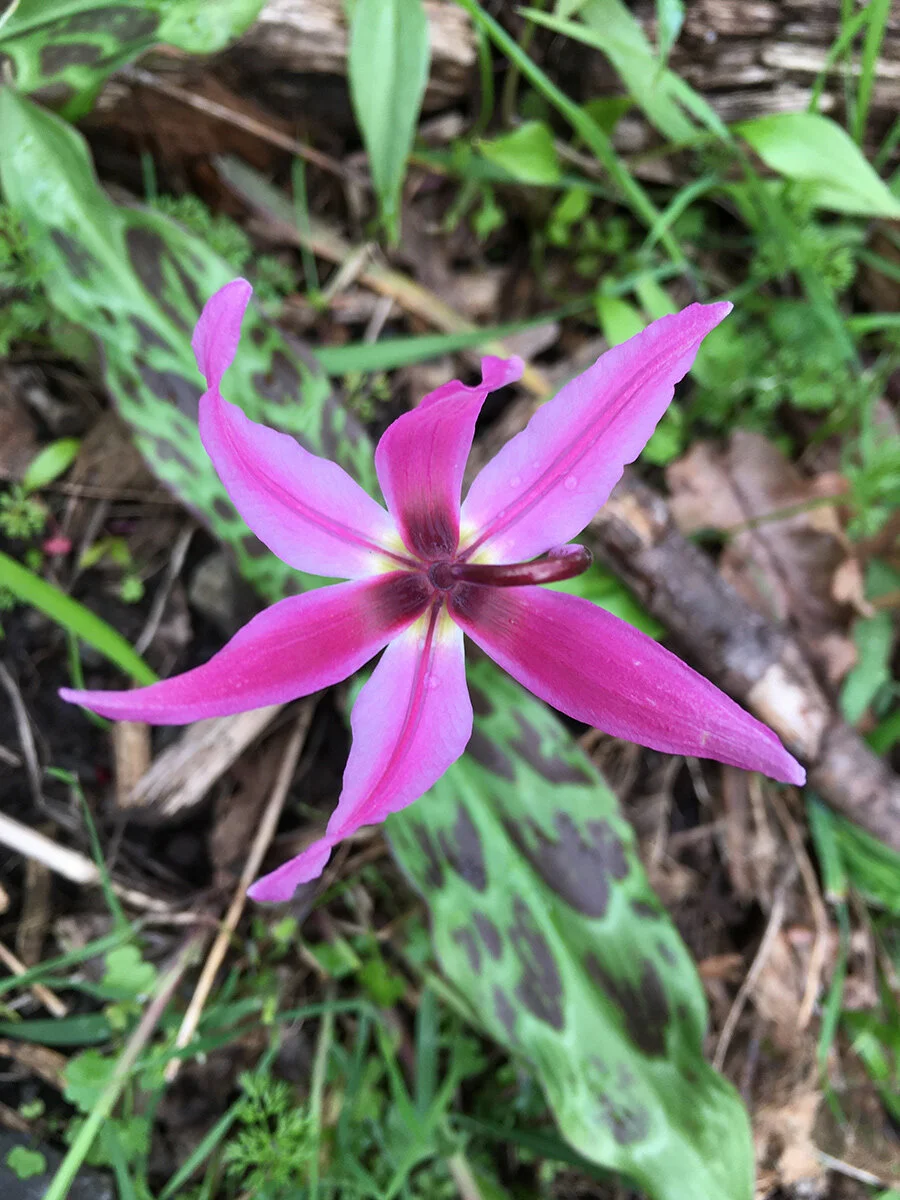
The pink fawn lily is a vibrant star on the landscape during the cloudy skies of early spring. May it guide you to the wonders of nature.

Pink Fawn Lily (Erythronium revolutum)

Pink Fawn Lily (Erythronium revolutum)

First Day of Spring

“No mortal is alert enough to be present at the first dawn of spring — but he will presently discover some evidence that vegetation had awaked some days at least before.”

Henry David Thoreau
March 17, 1857

Thoreau, Henry David. Thoreau’s Wildflowers. Edited by Goeff Wisner, Yale University Press, 2016.

Camas

Sweet Fragrant Cottonwood

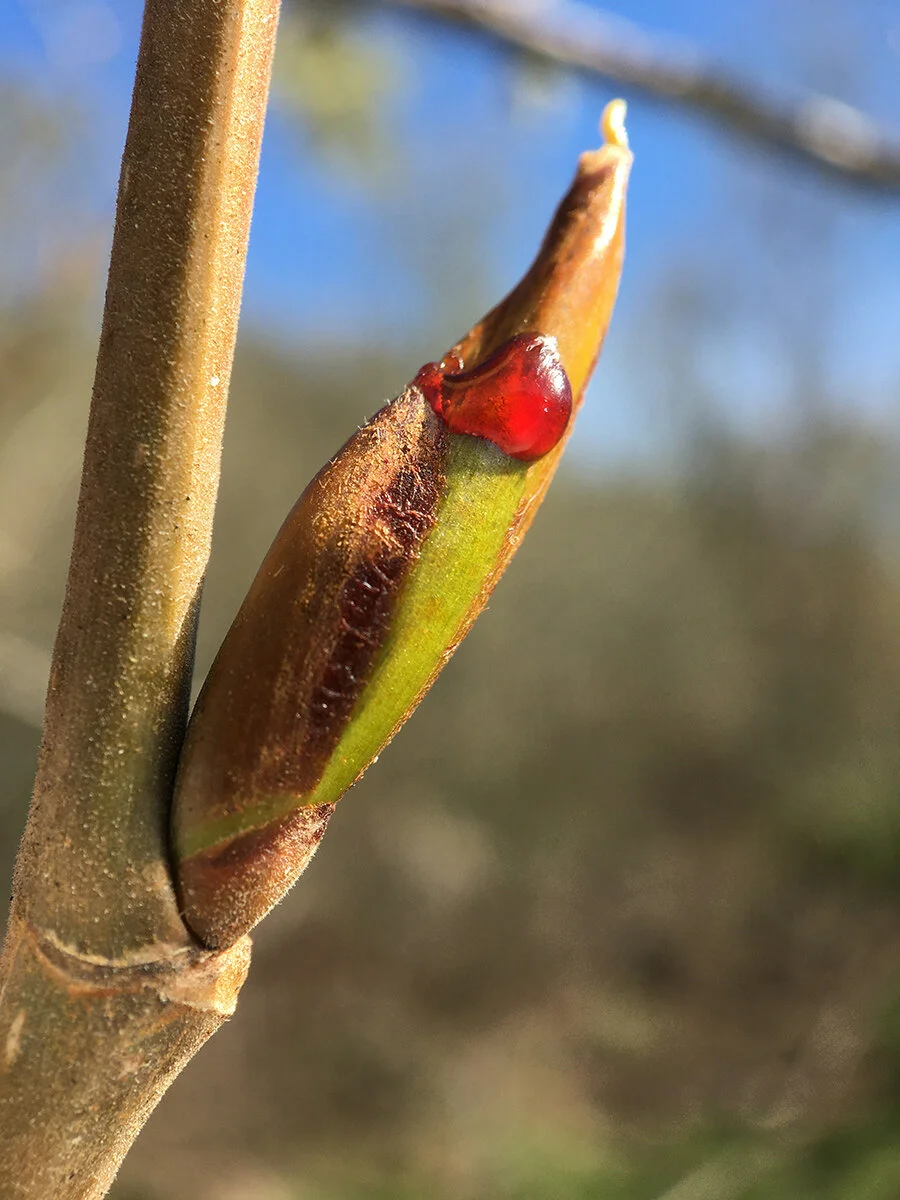
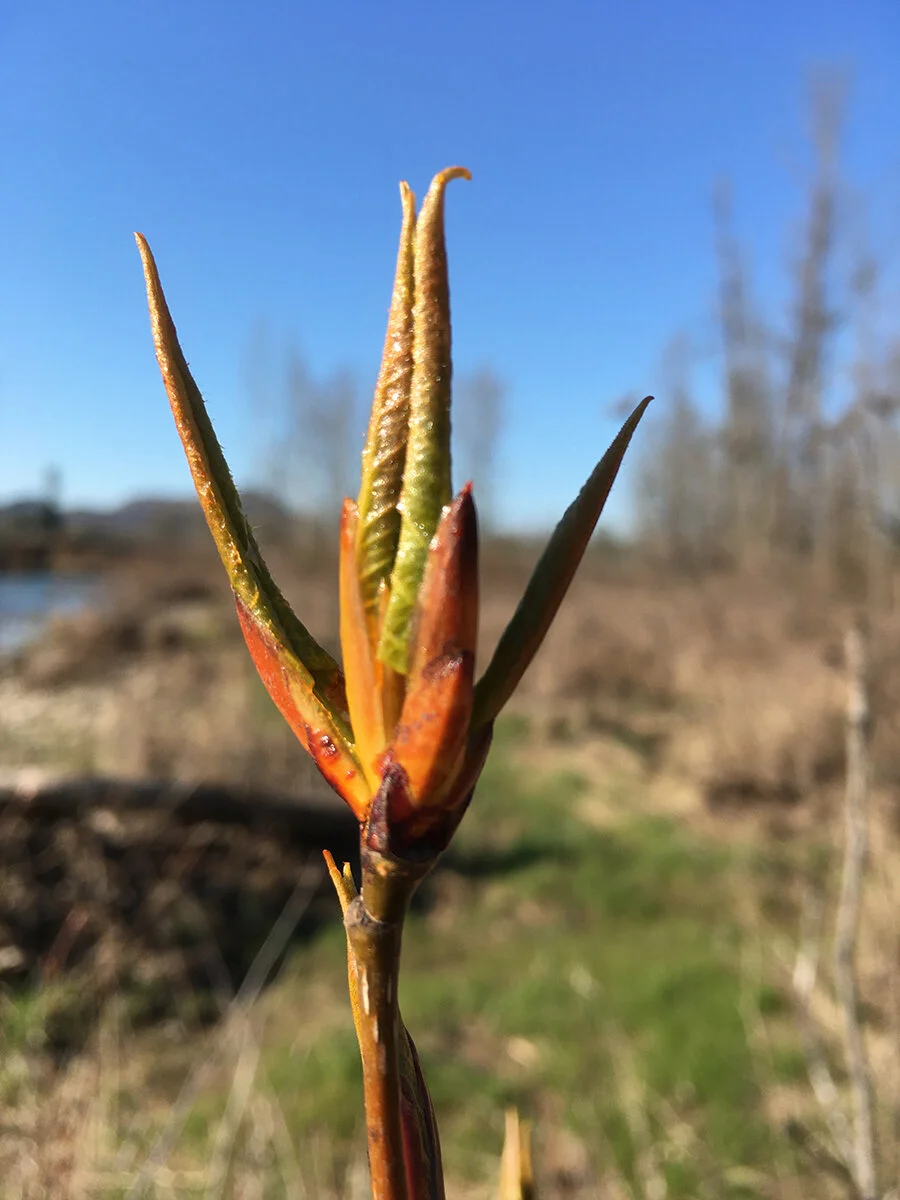
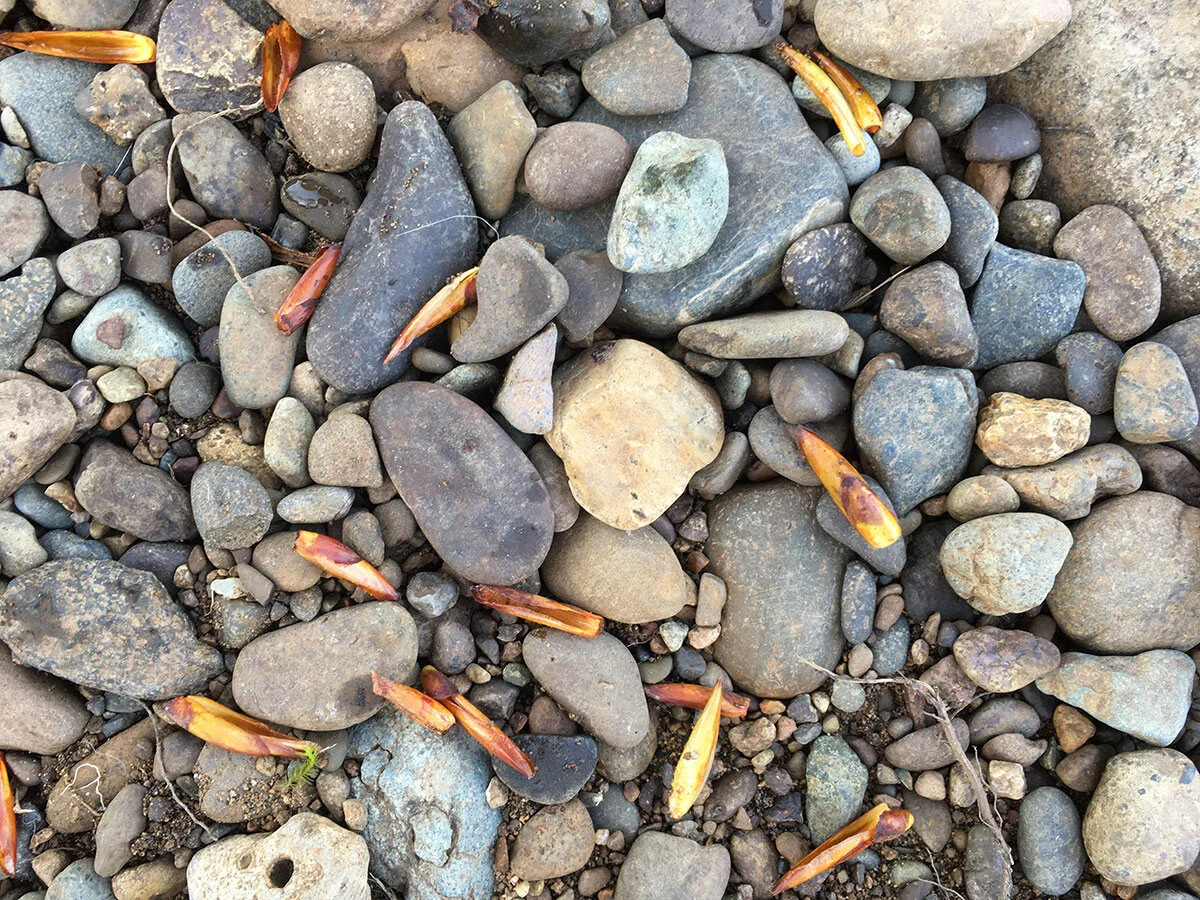
As I walked along the river on this warm, sunny day, I was overtaken by the sweet smell of the black cottonwood. The buds are covered in a aromatic resin that permeates the air. As the leaves and catkins emerge, the casings of the buds are scattered on the ground beneath the tree. Check out these sticky and fragrant casts.

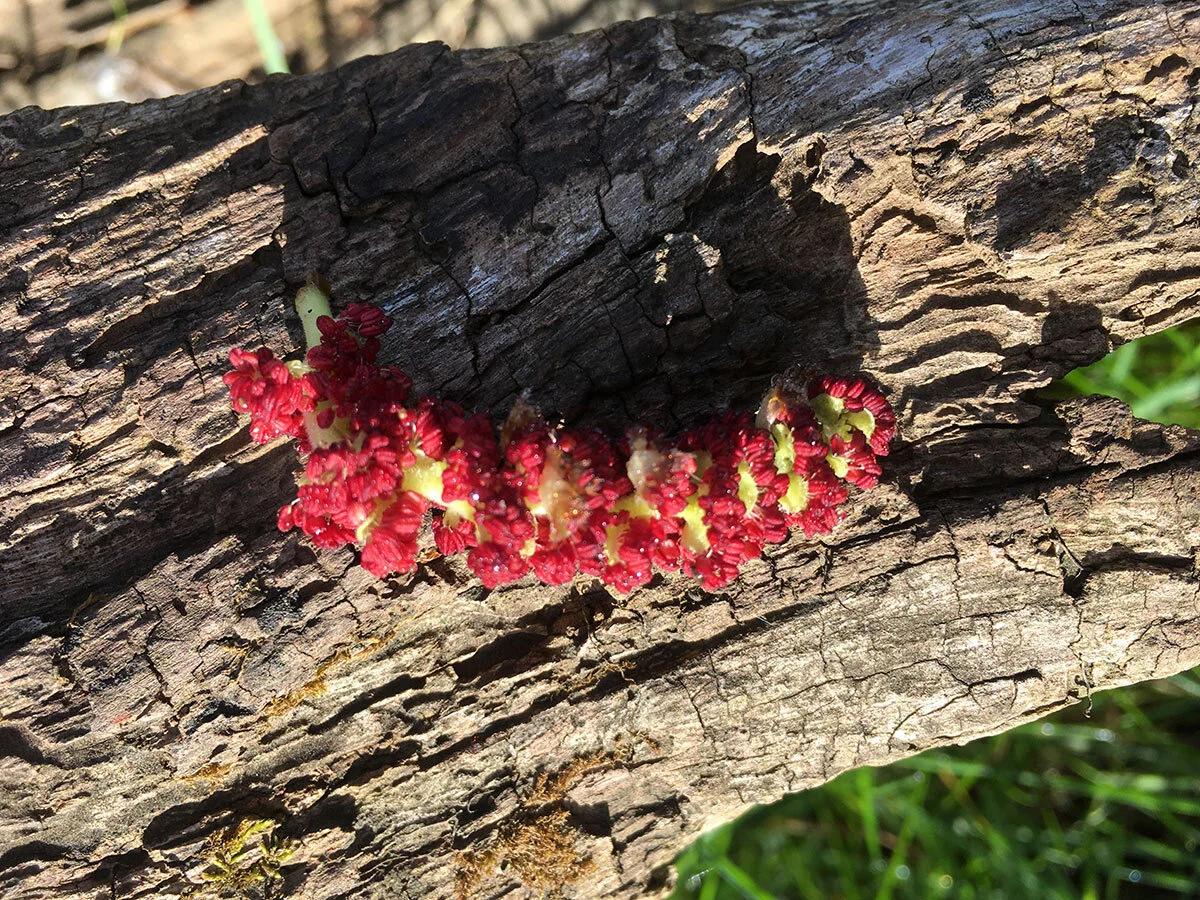
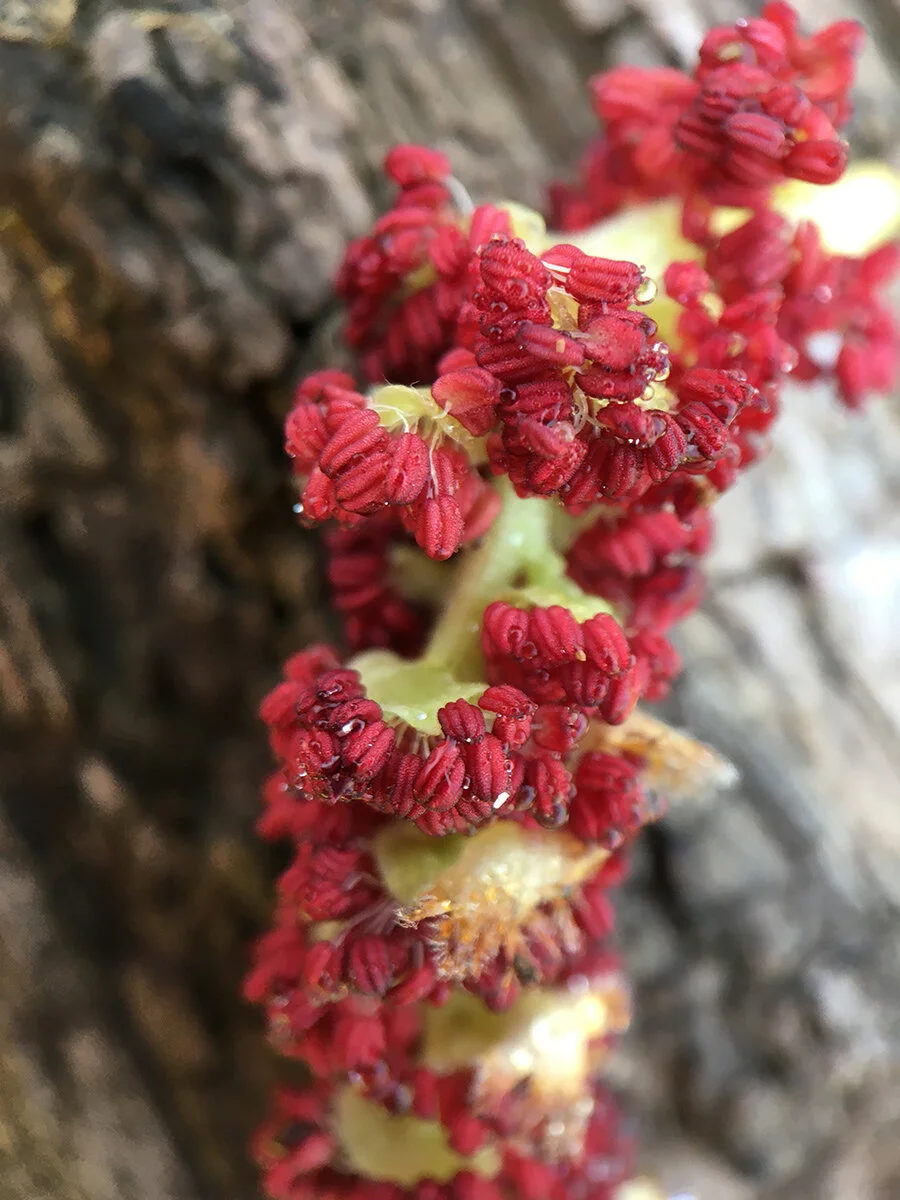
The female and male catkins are on different trees. The male catkin is a beautiful, red tassel and many of them were strewn around the ground as well.

As life abounds during this time of year, there is so much to experience and explore.

Bumble Bees

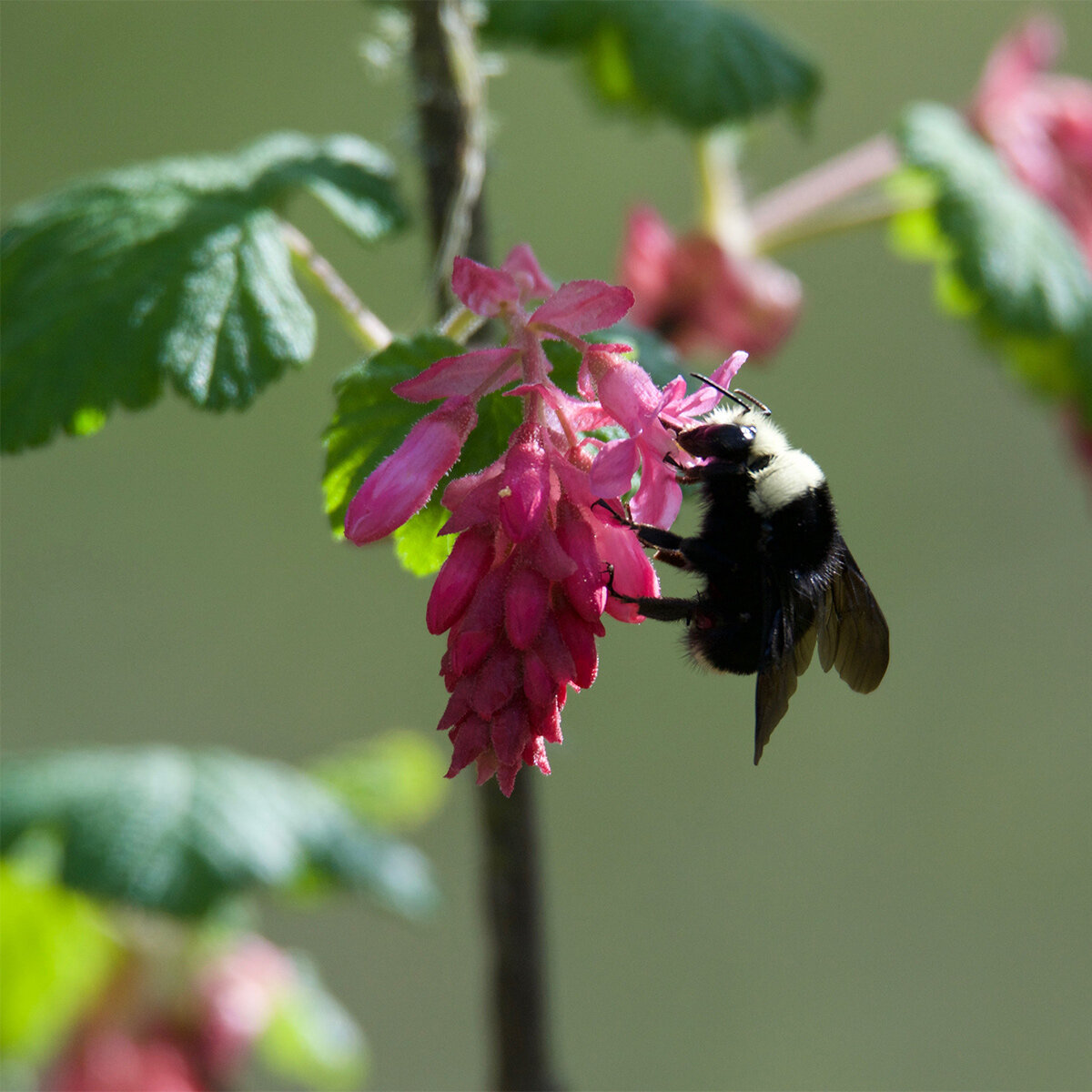
In the mid afternoon light, I was attracted to the radiant blooms of the red-flowering currant. As I walked over, I noticed that I wasn't the only one drawn to them. A bumble bee was merrily foraging and enjoying the cool, warm spring weather.

Bumble bee colonies are annual. Each year a colony will produce queens that will then mate and find a place spend the winter, usually underground. All of the other bumble bees die. Thus, the first bumble bees of spring are the mated queens that overwintered from last year. When they emerge, they will find a suitable nest site and begin a new colony. Old rodent borrows are a popular nest site.

Bumble bees are amazing pollinators. They are out in early spring, are able to fly in cooler weather and are generalist foragers. In addition, they are buzz pollinators. Here is a PBS video that explains buzz pollination that is worth watching. It’s only 3 minutes and 32 seconds. https://www.pbs.org/video/deep-look-bumblebee/

Another interesting tidbit is that, unlike honeybees, bumble bee stingers lack a barb. So they are uninjured when they sting you, which also means they can sting multiple times. That said, bumble bees are generally not aggressive except when defending their nests or if they are being harmed.

Liverworts

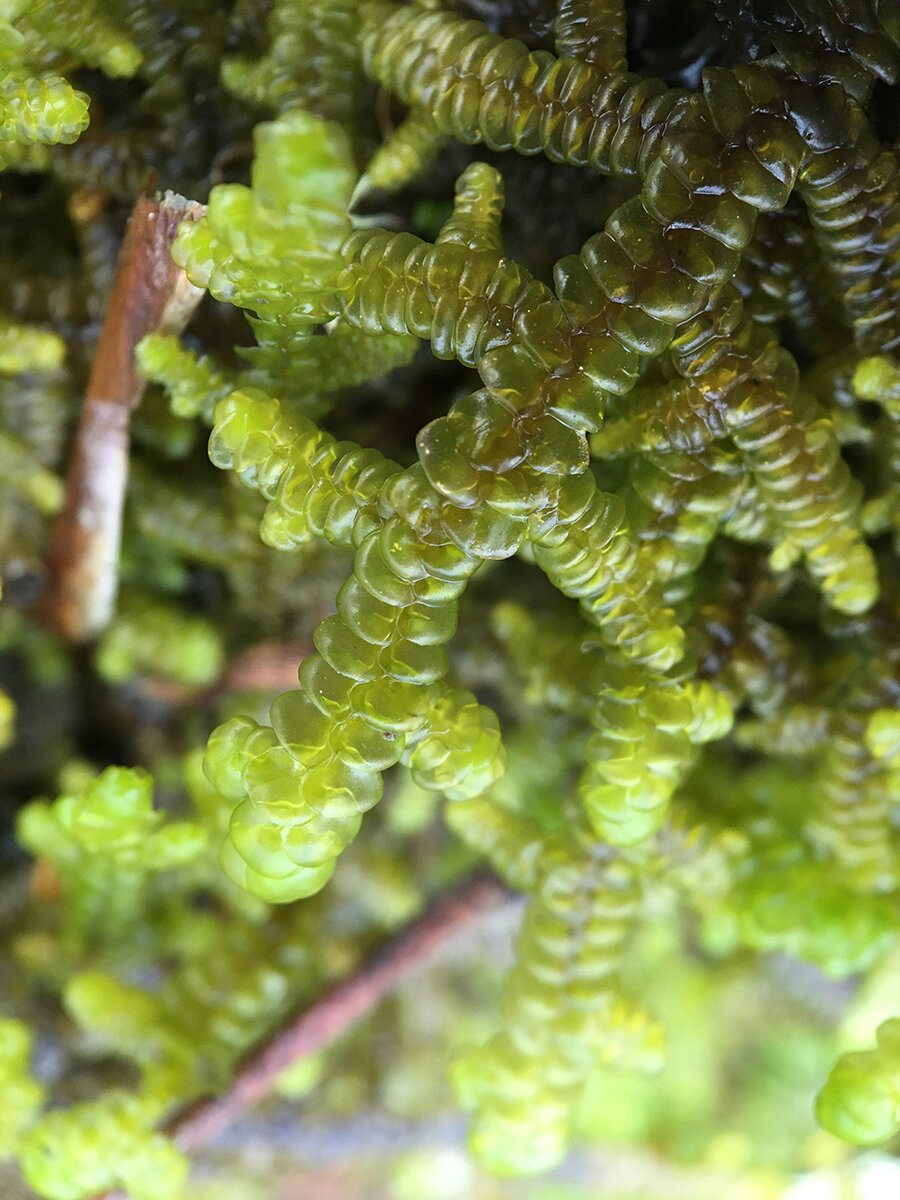
As I walk around the arboretum, I notice that many of the trees are covered with a green, magic carpet. Upon closer inspection, I quickly realized that there are many shapes, sizes, colors and textures to these plants. This opened up another world of life — mosses and liverworts.

After a storm I found a big clump that had fallen out of a tree. As I started down the road of identifying it, I narrowed it down to a liverwort. I’m still working on honing my observation skills, so I’ll wait on determining which genus or species.

This clump was interesting because there were spiders, centipedes and small insects living in it. On the underside was a maze of what look liked roots. I later read that these aren’t true roots, they are rhizoids. They are more about anchoring the plant than transporting nutrients. Long story short is that the more I read, the more there was to read. The diversity of life is unbelievably fascinating.

Ravens Building Nest

There have been a couple of ravens hanging around the last few weeks, and I wondered if they had decided to nest in the area. I went to spend time watching them today to see what they were up to. When I arrived in the area where they were, my suspicions were confirmed. I immediately heard the snap of a limb, and a raven flew out of a tree with a medium-sized twig. They were regularly making trips into nearby trees and breaking off branches. I watched them for an hour and a half, and I never saw them search for nesting material on the ground. The nest is next to the trunk about two-thirds up in an old evergreen tree. It was amusing to see them fly back to the nesting site. As they approached the site, they would sort of crash land in to the branches. You could hear their wings hitting the limbs as they flew into the tree. Also, they were very vocal as they flew in and out building the nest, almost as if they were fussing about how to construct it. I wasn't able to get a good photograph during that time, because there were only brief windows of opportunities as they flew through the canopy and they stayed fairly obscured from view as they looked for sticks. It will be interesting to see how ravens nesting in the area will affect the nesting of other birds nearby.

Scouring-rush Horsetail

I was walking past this patch of horsetails, and I was struck by the beauty of the structure on top that resembles a pineapple. It looked to so regal resting inside this black and white crown at the end of a slender, green stalk. This is where it produces spores for reproduction. Its stiff stalk is covered with small, abrasive grains of silica. As its common name suggests, it makes a good tool for scouring. This is such a unique and fascinating plant.

I enjoyed Daniel Mathews opening paragraph about horsetail in his book Cascade-Olympic Natural History: “Long ignored for being too primitive, common, and monochromatic, horsetails won their hour of media glory for sending the first green shoots up through Mt. St. Helen’s debris of May, 1980. They can crack their way through an inch of asphalt on highway shoulders. No wonder Quileute swimmers felt strong after scrubbing themselves with horsetails! And some Northwest gardeners feel weak after weeding them.”

Trillium

In Cascade-Olympic Natural History Daniel Mathews writes: “What a pleasure, seeing the year’s first trilliums in March or April, just when the winter rains feel like Forever! Quinault elders used to warn their youngsters that picking trillium would bring rain — a safe bet in Quinault country at that time of year.”

Rain is probably a safe bet here too, for which I am grateful. Trilliums are a soothing salve for soggy spirits in spring. Say that alliteration ten times really fast!

Mt. Pisgah has two types of trilliums:
Giant Trillium (Trillium albidum)
Western Trillium (Trillium ovatum ssp. ovatum)

On the website of Sevenoaks Native Nursery they told how to tell them apart: “The slightly mottled leafy bracts directly subtend the sessile white three-petaled flower, this is a good indicator of telling T. albidum apart from T. ovatum, whose flower rises above the leafy bracts.”

Definitions.
Sessile - Botany. attached by the base, or without any distinct projecting support, as a leaf issuing directly from the stem.
Subtend - Botany. (of a bract) extend under (a flower) so as to support or enfold it.

Giant Trillium (Trillium albidum)

Giant Trillium (Trillium albidum)

Giant Trillium (Trillium albidum)

White Fawn Lily

As the dawn of spring breaks over Mt. Pisgah, luminescent white lilies will transform the arboretum into a starry-eyed landscape.

White Fawn Lily
Erythronium oregonum

Heralds of Spring

The Bewick’s wren felt like the official messenger of spring on this warm, sunlit day.

Peterson’s field guide says this about its vocals: “Song suggests a Song Sparrow’s, but thinner, starting on two or three high notes, dropping lower, ending on a thin trill; calls sharp vit, vit and buzzy dzzzzzt.”

Listen to the sounds of the Bewick’s Wren on All About Birds:
https://www.allaboutbirds.org/guide/Bewicks_Wren/sounds


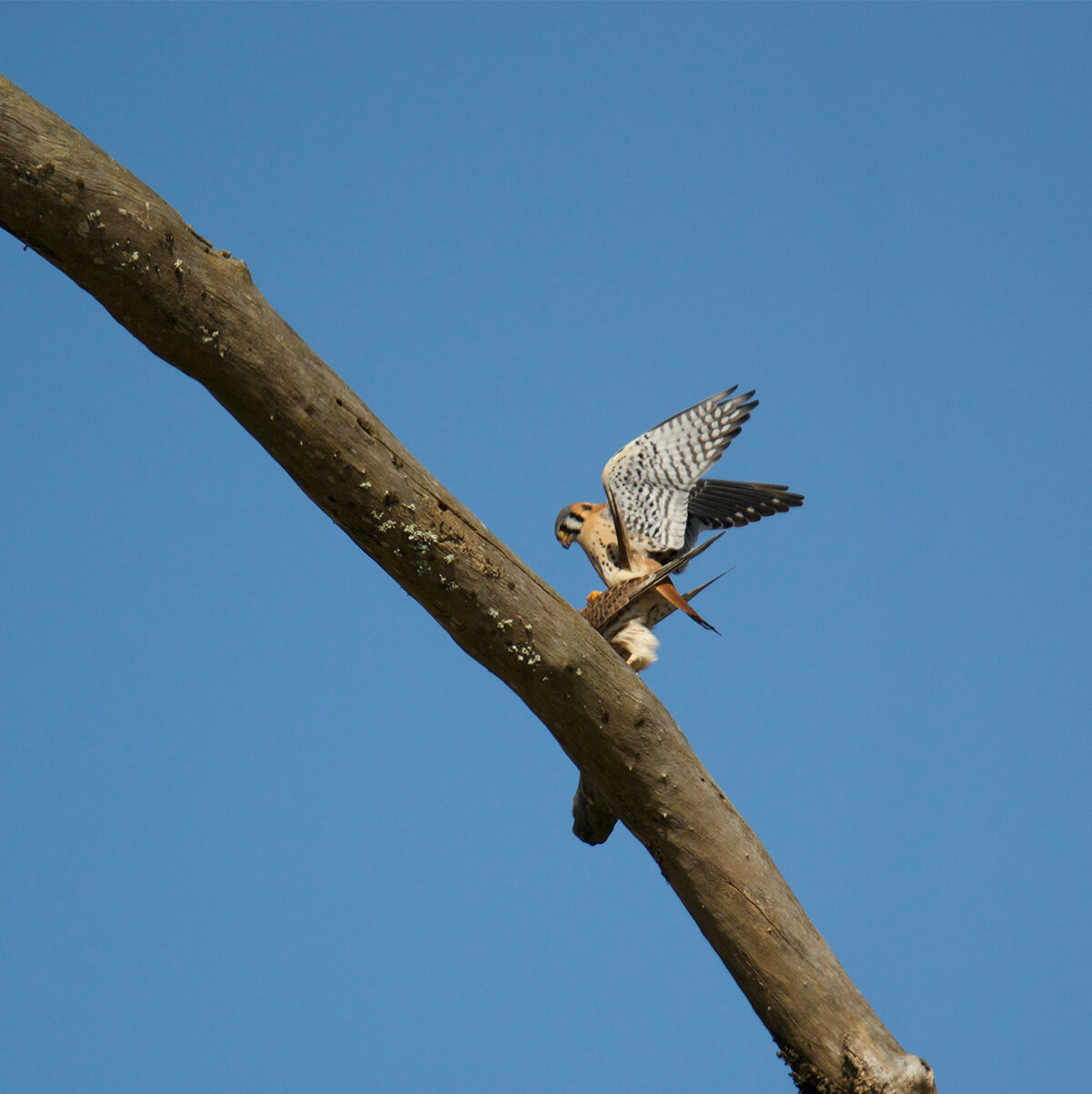
I regularly see a pair of American kestrels around the south meadow, and they often sit in the old, blanched snag out there. As I was attempting to photograph the female, the male flew down to mate. The encounter was brief and the photo is out of focus, but you get the picture.

Nuttall's Toothwort

The stem comes out of the earth in a graceful arch. At the end of the arch, a flower slightly washed in pink, bows in greeting to welcome you to the forest as it awakens to spring.

As plants sprout and flowers open, I’m always amazed at the hidden beauty lying below the surface. There is so much life just underneath my feet that I walk past unknowingly. In spring, an unassuming patch of ground becomes transformed into a marvel that stops me in my tracks.

Public Service Announcement:
It is important to stay on the trail and keep dogs on a leash during this time of year so that plants don’t become trampled.

Latin name: Cardamine nuttallii